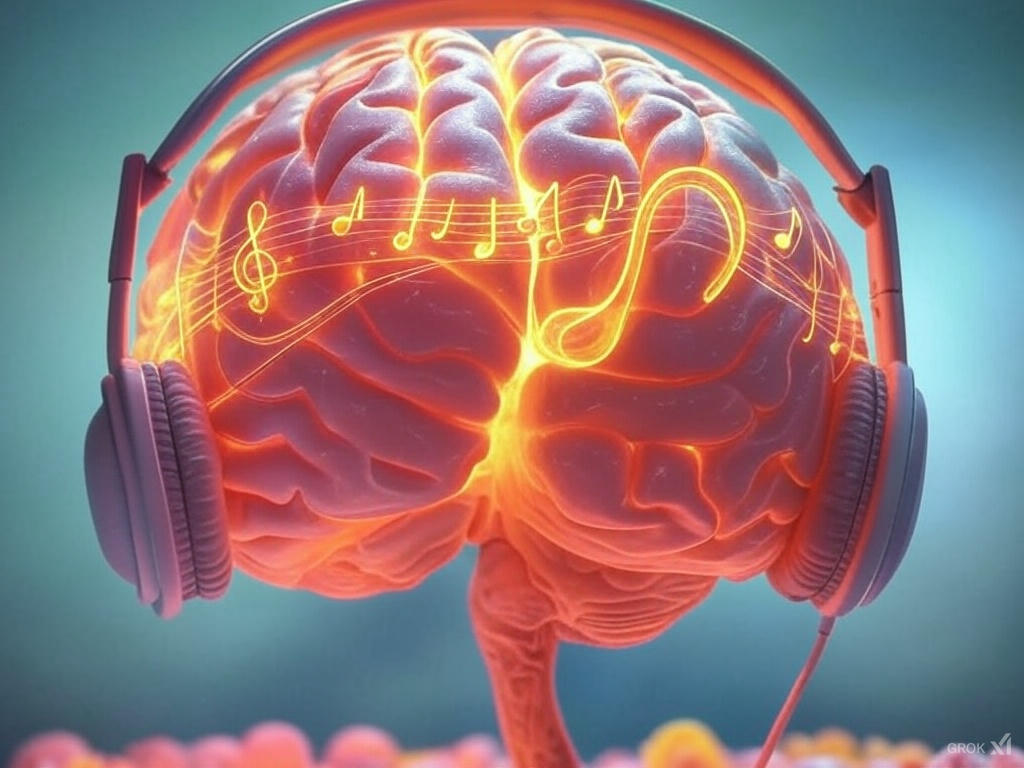
The Weird Power of a Good Tune
A randomly selected song has the power to pull you away from your emotional state. The phenomenon affects many people and scientists have established its scientific explanation. Music shows a remarkable power to influence our brains although we do not use this term negatively. Scientists have spent multiple years understanding how musical components modify human emotions leading to astonishing discoveries. When you listen to a catchy melody with soulful lyrics your system produces pleasurable chemicals known as dopamine. When you press play your brain organizes a harmless occasion.
When a person hears music the emotional control center known as the limbic system becomes activated. Music that resonates with your tastes will activate all signals similar to bright holiday illumination. Research conducted at McGill University demonstrates that listening to favorite music can boost dopamine production by as much as 9% in the human body. The brain produces the same chemical response during chocolate consumption and sexual encounters. It seems that a meticulously curated playlist functions as an official yet lawful antidepressant system. People from every musical preference experience the same pleasurable response no matter what genre they enjoy.
The happiness does not cover the entire situation. Sad musical tunes possess the power to worsen your mood before generating positive emotions. Feelings of lightness typically follow ballads that bring out your emotions. That’s music working its cathartic mojo. The process of happiness connects through natural human emotion which creates a beautiful result.
Why Your Brain Loves a Beat
Your brain has an internal system which naturally appreciates rhythmic patterns. During prehistoric times our human ancestors used rocks to strike each other but this was not their main source of entertainment. According to scientists early Homo sapiens used music to form social bonds while using music as a method of communication and survival. Fast forward to now, and that ancient wiring still kicks in when your favorite jam drops. The tempo in the music creates a rhythmic pattern that your brain neurons follow through the process of entrainment. Cool, right?
The body performs automatic syncing which delivers multiple advantages. People who drummed in unison with others at the University of Oxford showed increased tolerance to pain following their musical session. Rhythm works as an unusual bonding force which both unites people together while releasing endorphins in their bodies. The endorphins produced by music create feelings of invincibility which at minimum reduce feelings of grumpiness. When you tap your foot to music your body enters a relaxed state which measuresably reduces the stress hormone cortisol.
The human brain treats musical participation equally regardless of talent level or singing ability during private showers. Any form of music interaction from listening to singing activates the reward system within the body. The experience of finding the musical rhythm matters more than natural musical abilities. Future air guitar mockery gets invalidated by scientific evidence showing its positive impact on your health. Your happiness will improve even if others fail to acknowledge your contentment.
The Emotional Rollercoaster of Lyrics
Lyrics in songs serve multiple purposes because they deliver emotional punchlines to your feelings. Songs have the power to retrieve nostalgic memories and trigger laughter and severe emotional responses that force you to cry while drinking coffee. They possess invisible methods to penetrate your guard while probing the secret aspects of your mind. The phenomenon of emotional resonance exists according to researchers but I think it simply means an unexpected gut-wrenching impact.
Breakup songs provide an excellent example. As you try to recover from your heartbreak you stumble upon a love song with lyrics that mirror your exact situation. A 2019 research by the University of South Florida demonstrated that when individuals identify with emotional music lyrics they experience reduced feelings of solitude. Wallowing is not the objective; you need this form of validation. Your close friends may not understand but the song captures the experience perfectly. Shared sadness has the power to lead people into healing even though it seems shocking at first.
Positive song lyrics deliver an energy boost which transcends all else regarding mood enhancement. Research evidence shows that listening to those typical dance floor anthems produces serotonin effects which result in table dancing. The concept may seem simple to most people but experts identify it as a cerebral phenomenon. The catch? The connection between you and the lyrics determines how well the music affects you. Music enthusiasts should pick songs which communicate through their preferred musical language instead of forcing themselves to listen to music they dislike. Music does not have a universal definition for happiness since both types of music have distinct ways of creating happiness.
When Music Turns Into Therapy
Music functions beyond being a mood enhancer because it operates as genuine therapeutic medicine. Ever heard of music therapy? Music functions as a medical tool which assists people with treating both depression and Parkinson’s disease. Therapists employ music as a tool to help patients restructure their mental pathways and achieve relaxation through methods that restore lost feelings of joy. The medical community has fully embraced music therapy since hospitals and clinics have adopted these practices.
Music provides faster anxiety relief than the average sedative medication. Research carried out through a 2013 meta-analysis discovered that surgical patients who listened to music displayed lower stress levels compared to unattended patients. The patients experienced both lowered heart rates and calmed breathing as though they were under musical anesthesia. Certain musical melodies function as emotional rescue tools which extract individuals with depression from their depressive state through individual musical notes.
The Personal Touch in Healing
Music therapy stands out because it targets people individually. Therapists choose music specifically for their patients after understanding their preferences. The musician’s choice between jazz and death metal matters not one bit. The point is, it’s yours. The American Music Therapy Association conducted a case study which revealed how a child with autism spoke only through humming when listening to music. Over time, he opened up more. Music creates openings through which it communicates beyond verbal language even though this does not equate to complete healing.
It’s not perfect, though. Using music as your sole remedy for healing can result in negative consequences which mirror the overconsumption of cake for each daily meal. Balance matters. A successful application of music therapy results in receiving a cosmic happiness hack from the universe.
How to Hack Your Mood With a Playlist
The following section demonstrates how to make use of this information. Creating a playlist requires no scientific expertise yet mastering its art will help you achieve maximum positive feelings. First off, know your goal. Need a pick-me-up? To achieve mood enhancement select songs with fast tempos exceeding 120 beats per minute. Researchers at the Journal of Positive Psychology discovered that energetic music measures better than caffeine to shake off sad moods.
Mix it up, too. The human brain shares the same tendency to experience boredom as living people do. Randomly add both nostalgic music from the past and humorous songs that you have not played in years. Nostalgia functions as an automatic happiness enhancer since it retrieves happy memories uninvited. Researchers discovered in a 2020 analysis that teenage music listened to by individuals helped them regain self-connection. Cheesy, but true.
The relaxing music also deserves your attention. During stressful times slow jams function to reduce your tension levels. Singingously badly to your favorite songs is completely acceptable when you overcome your hesitation to perform. The process of making any noise regardless of tone quality activates oxytocin which serves as the hormone for bonding. Turn up the volume because passionate singing or humming triggers emotional improvements that spurs your mood to dance. Every mistake leads to your personal happiness which belongs to you.





 Frotpox