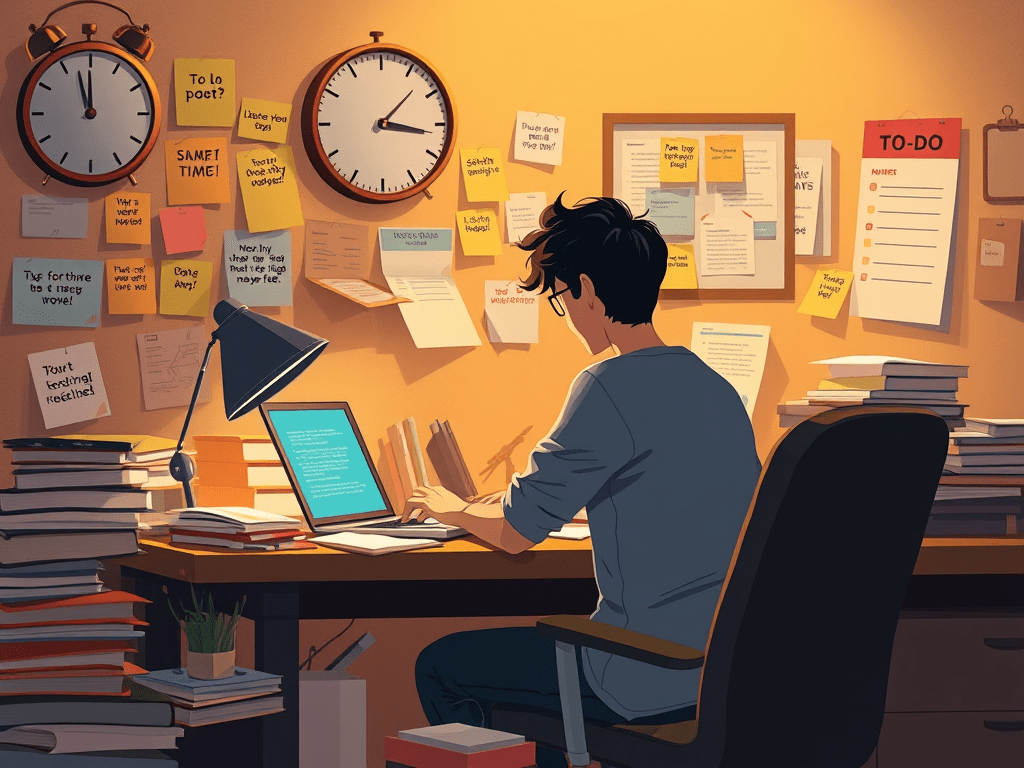
It in fact is a sneaky little beast, isn’t it? All is content: your to do list is arranged, your coffee is just right, and you have a pretty firm handle on the day. The next thing you know, you’re not doing the thing you set out to do: You’re watching YouTube cooking videos or you’re reorganizing your sock drawer. We recognize this pattern like the back of our hand, and it frustrates us, makes us feel guilty, and leaves us stuck on a seemingly never ending feedback loop of delay.
The fact is we all procrastinate at times. It’s part of being human. It can be fun — but when it begins upsetting your productivity, eating at your self confidence, or preventing your dreams, it may be time to learn how to turn things around. The good news is you haven’t completely doomed to be stuck in procrastination purgatory forever. With the desire to try something different, and the right tools, you can break this habit and adopt a healthier rhythm to doing things.
So let’s first take a look at what procrastination really is, why we do it, and how to actually combat it. We’ll discuss practical things you can do to get up and start moving, we’ll uncover a few sneaky things you can do to boost your motivation and we’ll also share some mindset flips for when you’re stuck. Are you ready to roll up your sleeves? Let’s go.
Understanding the Roots of Procrastination
Far from it, though: procrastination is about way more than laziness. It’s usually the byproduct of stress, fear, or uncertainty. We also often postpone a project because we don’t know how to do it perfectly, or we are afraid of the amount of work required. And other times we’ll skip something because it’s kinda boring.
Emotional vs. Logical Thinking
It’s usually tug of war in your head about emotions versus logic. You know logically you should write that report or study for that exam. But emotionally, you’d rather have something that makes you feel good right away—like scrolling social media or watching that new Netflix show—but you never cross the finish line. Learning how this emotional dynamic functions will give you a greater awareness of procrastination as not so much a character flaw but a habit of the mind.
Fear of Failure and Perfectionism
Putting things off is common because that nagging voice inside your head is saying, ‘What if you fail?’ And perfectionism is a real roadblock. If you have to perfect something before you begin, starting is effectively out of the question. And it’s often easier to do nothing than risk doing it wrong. The first step towards loosening the grip of this self imposed pressure on your productivity is to spot it.
Setting Clear and Achievable Goals
Striving to battle procrastination, one of the best ways to do that is by giving your mind something to aim for. Get healthier or work on my business sounds vague. Don’t aim for anything general and large.
Breaking Tasks into Bite-Sized Pieces
For example, you have to write a 10 page paper. Looking at that blank document can be similar to standing at the base of a mountain with no knowledge of how to start climbing. Break it down: case in point, I will outline the introduction today, draft two pages tomorrow, revise the next day, and so on. What you gain from smaller steps is that they feel more doable, they give you quick wins, and they build momentum.
Setting Deadlines That Matter
They (deadlines) instill a sense of urgency. Even self-imposed ones help. If your boss hasn’t set an exact due date, set one for yourself. Put it on your calendar, tell a friend or colleague, and act as curiously about it as if it came from someone else. A good amount of pressure often motivates you to get going, but pressure can also be a double edged sword.
Cultivating a Productive Environment
Either you procrastinate because of your surroundings or your surroundings encourage you to beat it. Distractions can be anything from a cluttered desk to watching TV with the volume turned on in the background to the constant, intrusive vibration of iMessage alerts on the phone in your pocket.
Minimizing Distractions
Be honest with yourself: What does your attention get stole the most? Is it your phone? Try using the Do Not Disturb mode, or even silencing non mandatory notifications. Is it being called to the siren song of your favourite video game? Use gaming sessions as a reward accessed when you complete a certain amount of tasks. Yes, it will take time to get comfortable with it but you’ll get used to working with less distractions and while it may be annoying at first, I can assure you will be able to be more productive.
Creating a Ritual or Routine
Rituals are a trigger for our brain to start doing stuff. Perhaps you wake up early to have a cup of tea and write down what you need to do in five minutes of journaling to get the ‘new’ day started. Or getting things done doesn’t work if you don’t sit at your desk in a certain (inefficient) way. These small habits will tell your mind that it’s time to go and help you jump from procrastination to productivity smoother.
Tackling Mindset Shifts
For someone that lives in a mindset of seeing tasks as burdens instead of opportunities, procrastination thrives. The big thing is to change how you think about your work.
Embracing Imperfection
Repeat after me: The adage we all know and love: ‘Done is better than perfect.’ If perfectionism is your thing, then know that nobody’s judging you so hard as you already do. Let yourself write a first draft that is ugly and wrong. However, once you have something on paper (or screen), you can refine it. The key is to start.
Focusing on the Long-Term Benefits
Although you procrastinate, you’re usually more driven by the desire for short term comfort rather than long term gain. Disconnect from social media and remind yourself that you’re doing the task you’re doing now. Do it for the right reasons. Is it to get a raise, learn something new, or finally start that side business you’ve booked ticket to? Don’t lose sight of the bigger picture, and that can get you past the resistance of just getting started.
Time Management Techniques That Work
Procrastination and time management often go together. Besides, who wants to do anything if you know you have ‘all day’ to do it. Structure can help.
The Pomodoro Technique
However, they still suggested this method is a classic, work for a set period (for example 25 minutes) and then take a dash. That means it’s less intimidating, because you know you only just need to maintain the focus for a short window. The frequent breaks curb burnout and in the end, these bursts of productivity add up over time.
Time Blocking
Have blocks of time in your calendar allocated for the different task. For example, reserve 10:So I have a period for writing a report (00–11:00), a period for responding to emails (11:00–11:30), and so on. If you have a schedule, deciding “what to do next” is a bit harder and procrastination becomes just that bit harder to justify.
Rewarding Progress to Maintain Motivation
Let’s face it: Humans are wired to respond to rewards. Small treats can help you get through your work day, turning those daunting tasks into something that is actually enjoyable.
Treating Yourself Wisely
If you get that first presentation draft done, you reward yourself with a piece of your favorite chocolate or a browse through a funny video. Just be careful: At the same time, you can’t make the reward too easy to get or you’re not going to have an incentive to keep going when it’s really hard. It has to feel earned.
Celebrating Even the Small Wins
Don’t celebrate only after you’ve climbed the whole mountain. It is worth noting every step forward. Did you write one page today? That’s progress! Milestones are to celebrate, it keeps your mood positive and makes you want to move forward.
Overcoming the Inertia of Starting
Sometimes it’s just the hardest part: starting. After you’ve “broken through” you can get tasks done more easily. And therefore, how do you overcome that resistance to a first offering?
The 5-Minute Rule
Tell yourself that you are going to do a task for five minutes, nothing more. Once you break the ice, you often find you have the momentum to continue. Five minutes is short enough for an inner procrastinator to shut up about this being an excuse but long enough that inertia usually works after that.
Facing the Fear Head-On
If you feel overwhelmed or scared about something, pay attention to that moment. Ask yourself: If I try and fail, what’s the worst that can happen? The imagined outcomes are almost always worse than reality. By pushing these fears into the light you’re taking away their power.
Building Accountability
Being held accountable to someone else dumbs down the procrastination high to some extent. When you know someone’s expecting progress, it’s harder to justify binge watching another show.
Finding a Buddy or Mentor
Find a friend, colleague, or mentor who’s willing to check in with you on your goals. The fact you know you need to report back on whatever you’re doing can often mean you’ll get cracking on it. Or better yet, find someone who is doing just that, and help motivate each other.
Using Accountability Tools
But there are plenty of apps and platforms out there to help you stay on track. Then it’s tool to automate your projects, to improve your habits, or, if simple enough, to serve as a helpful online timer to nudge you in the right direction. Track your progress, set reminders, and you’ll see your discipline get better over time.
Dealing with Setbacks
Let’s be real: not even the best strategies are magical, they won’t turn you into a productivity machine overnight. You’ll stumble. Some days you’ll put things off. That’s normal.
Forgiving Yourself
Procrastination can be fuelled by self criticism. Whenever you fall, and then beat yourself up, you create a cycle of shame and avoidance. Simply recognizing that you messed up and then bring forward what you can do to do better next time.
Adjusting Your Approach
If that doesn’t work, tweak them. Though it’s possible that the Pomodoro Technique doesn’t work for you, but time blocking does. Perhaps you’re more able to focus at a coffee shop than at home. Stay flexible and keep trying the toolkit until you do.
Making Procrastination Less Appealing
Because remember one thing: when your days are so full of work and play, you are less tempted to procrastinate. If your life is too rigid or joyless, you’ll be looking for escape routes. Throw in hobbies, exercise and real downtime to recharge.
Balancing Work and Relaxation
The ultimate procrastination trigger is burnout. If you don’t allow yourself to take a break you’ll begin causing yourself to find ways to avoid work. Set boundaries. Finish at a certain time. Enjoy your weekends. A rested, recharged mind helps you fight against procrastination.
Recognizing Your Progress
But take a step back now and then and admire how far you’ve come. You may not be perfect with beating procrastination (who is?) but if you are better at beating it than you were a month ago then you’ve won. The feeling that you’re making progress helps you feel better about yourself and it encourages you to stick with your new habits.
Conclusion
Is procrastination a stubborn ghost haunting your productivity? The answer is no, because it’s far from unbeatable. With some knowledge of its roots in emotions, a clear accounting of the goal, a tweak or two in your environment, and some experimentation with techniques, you can forge a new course for yourself that leads to less forced action and more done out of motivation.
Don’t expect perfection. Be patient with yourself. Every time you fight through procrastination, you’re strengthening your brain’s ability to tolerate discomfort, focus on what matters, and know you’ll get through it. Eventually, you’ll start to find that old, delay prone ways of doing things just aren’t very fun anymore, and you feel a quiet confidence in your ability to show up, do the work and reap the rewards of your effort.





 Frotpox